
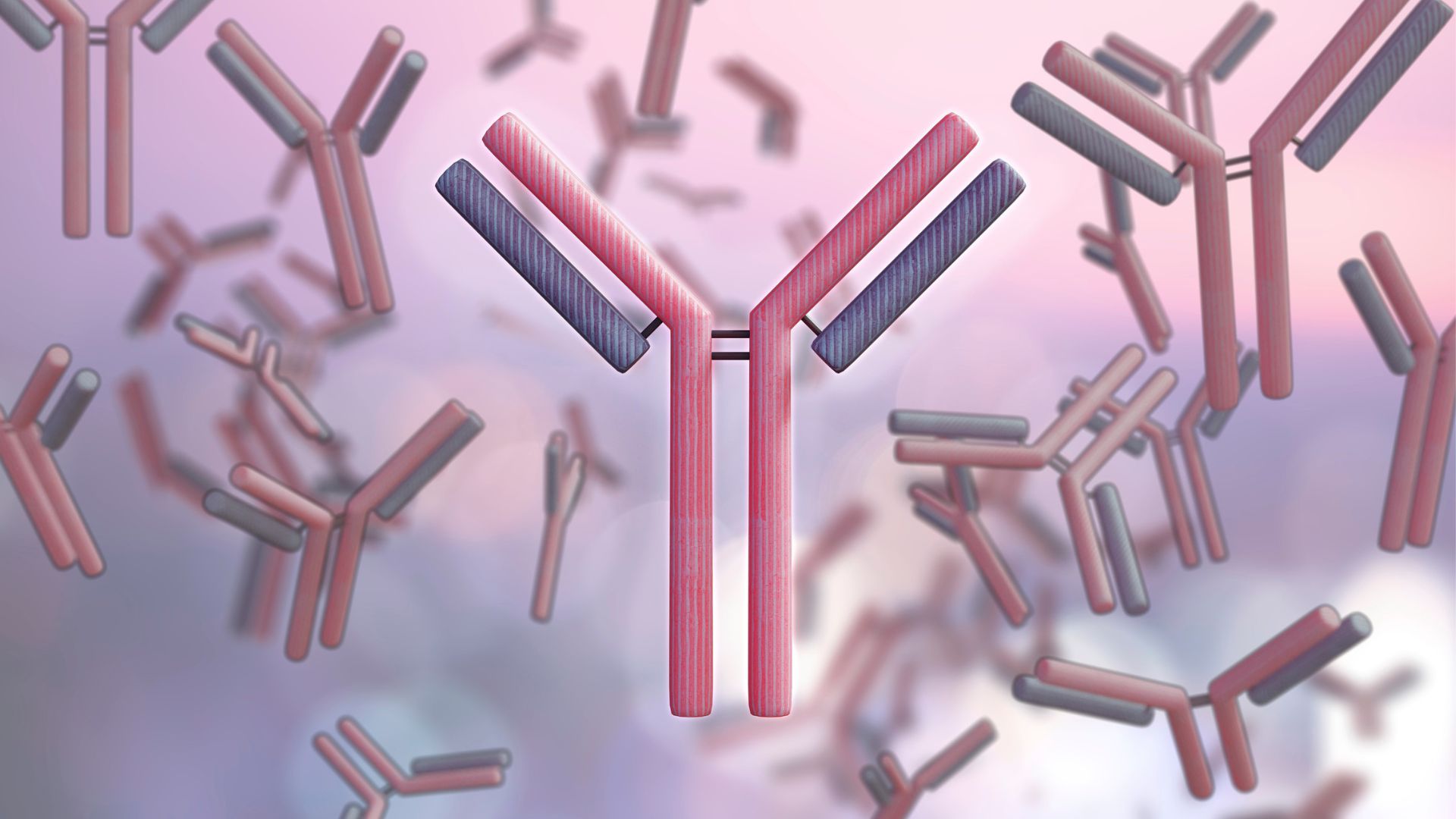
These involve the immune system producing Immunoglobulin E (IgE) antibodies in response to specific food proteins. Upon re-exposure, these antibodies trigger the release of histamine and other chemicals, leading to symptoms like hives, vomiting, and anaphylaxis.
Food allergies are typically classified into two major categories:
These involve the immune system producing Immunoglobulin E (IgE) antibodies in response to specific food proteins. Upon re-exposure, these antibodies trigger the release of histamine and other chemicals, leading to symptoms like hives, vomiting, and anaphylaxis.
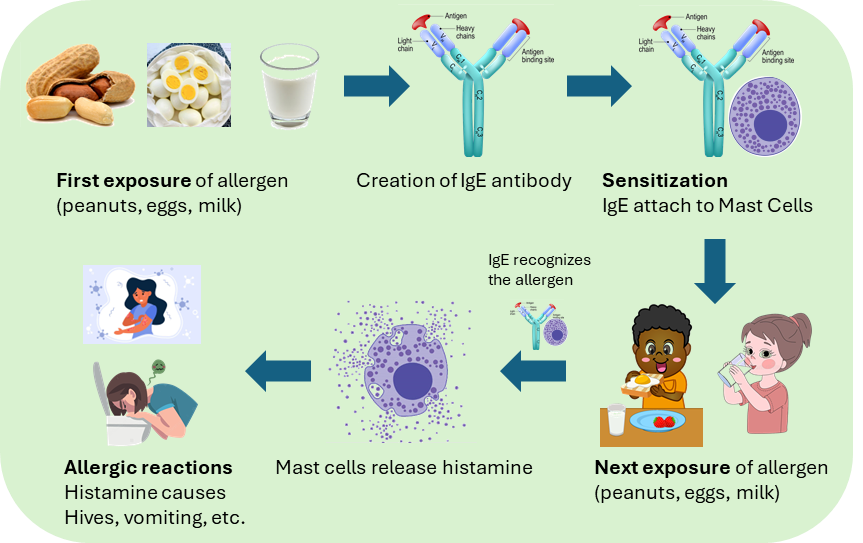
When you eat food you're allergic to for the first time (like peanuts, milk or eggs), your immune system creates a special antibody called IgE against it.
These IgE antibodies attach to cells in your body called mast cells, which are part of your immune system.
The next time you eat that food, the IgE antibodies recognize it and trigger those mast cells to release chemicals like histamine.
This release causes symptoms like: Hives or skin rash, Vomiting or diarrhea In severe cases, anaphylaxis, a life-threatening reaction that needs immediate medical attention





These tests help confirm the presence of IgE antibodies and identify the specific food allergens.

Your immune system still reacts to food protein, but it uses different immune cells (like T-cells) instead of IgE antibodies.
This reaction causes inflammation, especially in the digestive system.
Because the reaction is delayed, it’s harder to link the symptoms to a specific food.
They are harder to diagnose due to the lack of specific blood tests.

These allergies often affect the gut but can also show up on the skin or in behavior. Symptoms include:
There’s no reliable blood or skin test for non-IgE allergies. Instead, doctors use:
This process can take weeks or months, and keeping a food diary is often recommended.
Milk is one of the most common food allergens, especially in children, and reactions can range from mild hives to life-threatening anaphylaxis. The body’s immune system reacts to the proteins in milk such as casein and whey. Milk allergies are different and should not be confused with lactose intolerance. Typically, cow’s milk is the most frequent trigger when compared to goat, sheep or buffalo milk. Avoiding milk and milk-derived ingredients is the primary management strategy. It is important to read labels carefully because milk proteins can appear in unexpected foods like baked goods, processed meats, chocolate, etc.
Egg allergy is one of the most common food allergies in children, typically involving proteins found in both the egg white and yolk. Reactions can range from skin rashes and digestive issues to severe anaphylaxis, and eggs are often hidden in baked goods, sauces, and vaccines, making avoidance challenging.
Soy allergy, often outgrown by children, is complicated by soy’s presence in many processed foods and vegetarian products. About 0.4% of infants in the U.S. are allergic to soy. Many children outgrow it by age 10. Soy is found in many foods, including tofu, soy milk, soy sauce, miso, tempeh, edamame, and processed foods. There are few hidden soy sources as well, for example, hydrolyzed vegetable protein, textured vegetable protein (TVP), flavorings, vegetable broth, and even some cosmetics or pet foods.